Investment
Rentals and 1031 exchanges.
Los Gatos is not a cash flow market and we will not pretend it is. It is an appreciation and scarcity market with a few angles that make the rent side work. Here they are, with the numbers.
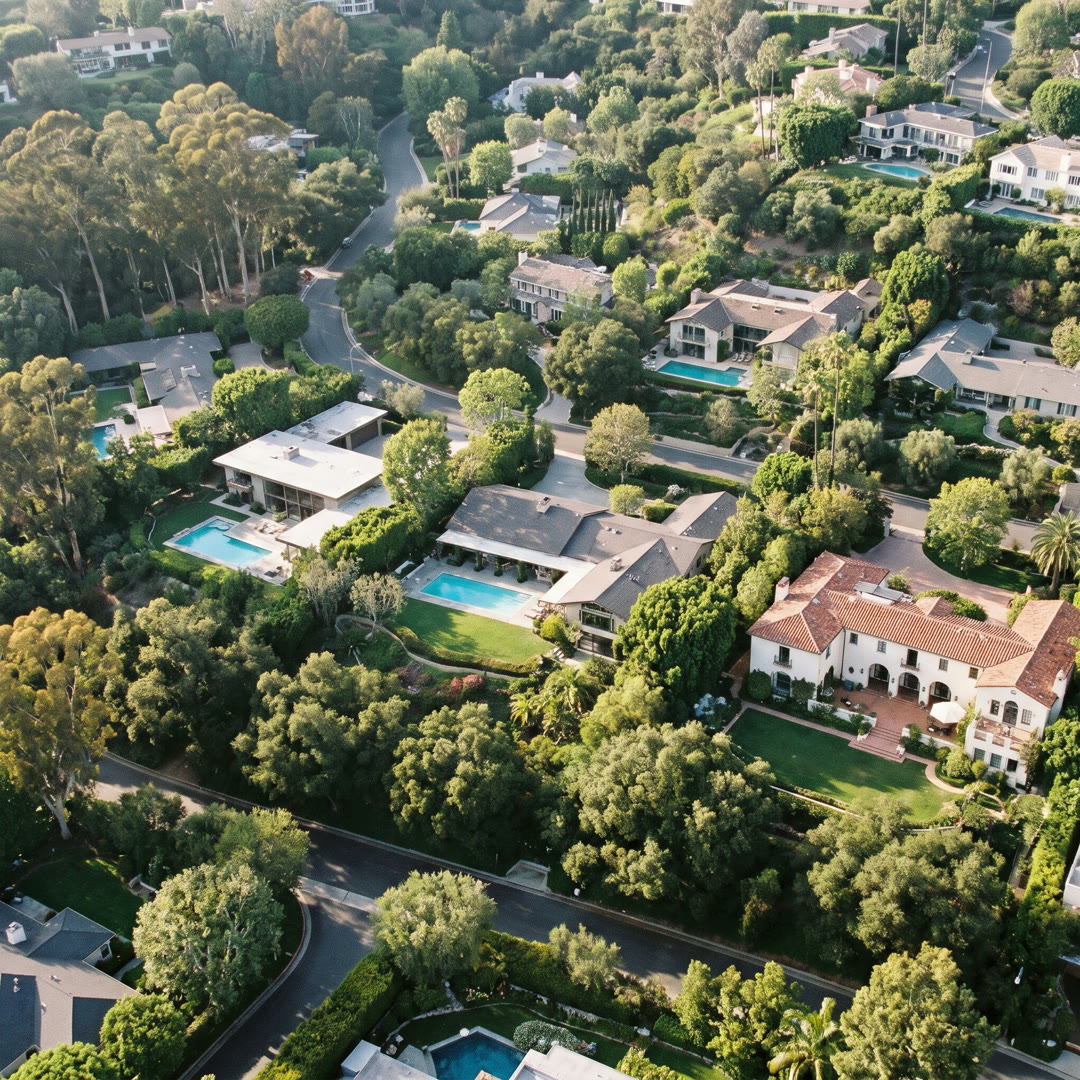
Cap rates, explained
Why a Los Gatos rental yields under 2%.
Cap rate is the year's net operating income divided by the price. Here is a realistic example for a typical rental in town, before any loan.
| Monthly rent | $7,200 |
|---|---|
| Gross annual rent | $86,400 |
| Vacancy and turnover (4%) | -$3,456 |
| Property tax (1.2%) | -$28,800 |
| Insurance | -$2,400 |
| Maintenance and reserves | -$6,000 |
| Management (7%) | -$6,048 |
| Net operating income | $39,696 |
| Cap rate | 1.65% |
That is the honest number for a single family house. Buyers here accept it because the land has appreciated at roughly 5% to 7% a year over any twenty year window, because the tenant pool is deep and well paid, and because the tax basis gets reset at purchase. If you need cash flow from day one, we will say so and point you to Campbell or San Jose, where 3% to 4% is reachable.
The ADU angle
The second unit changes the math.
California law since 2020 lets most Los Gatos lots add a detached accessory dwelling unit of up to 1,200 square feet, with a streamlined permit. A 700 square foot ADU built for $300,000 to $420,000 rents for $3,200 to $3,900 a month in town. That is a 10% to 12% return on the construction cost, and it roughly doubles the cap rate on the lot.
What we look for: a flat lot over 8,000 square feet, alley or side yard access, utilities on the right side of the house, and no protected oaks where the unit would sit. The Blossom Hill and Belwood ranch lots are the usual candidates. We have the plans and the builders who have done it here before.
- Flat lot, 8,000 sq ft or more
- Side or rear access for construction
- Sewer lateral within reach
- No heritage oaks in the footprint
- Town pre-application meeting before close
1031 exchanges
Two clocks and a qualified intermediary.
A 1031 exchange lets you sell an investment property and buy another without paying capital gains tax now. The rules are strict and the dates are hard. From the day your sale closes you have 45 days to identify replacement property in writing and 180 days to close on it. Miss either and the exchange fails.
Our job is the sequencing. We line up replacement candidates before your sale closes, often from our off market list, so the 45 day window starts with real options rather than a search. We work with your qualified intermediary and your CPA; we are not either of those, and we will tell you when a question belongs to them.
Common uses we see: a landlord trading three older San Jose units for one Los Gatos house with an ADU, or a family selling a hillside home they inherited and buying two smaller rentals in Campbell.
Not tax or legal advice. Talk to your CPA and a qualified intermediary before you sell.
Who manages it, and the related pages.
We do not manage property. We refer to two local managers who charge 6% to 8% of rent and answer their phones, and we take no referral fee from either. Buying the place works the same as any purchase; the buying page has the seven steps. Selling a rental with a tenant in place has its own rules, covered on the selling page. Estates with guest houses are on hillside and estates, and out of state owners should read relocation for how we tour remotely.